
Simplified Explanation of the Judgment
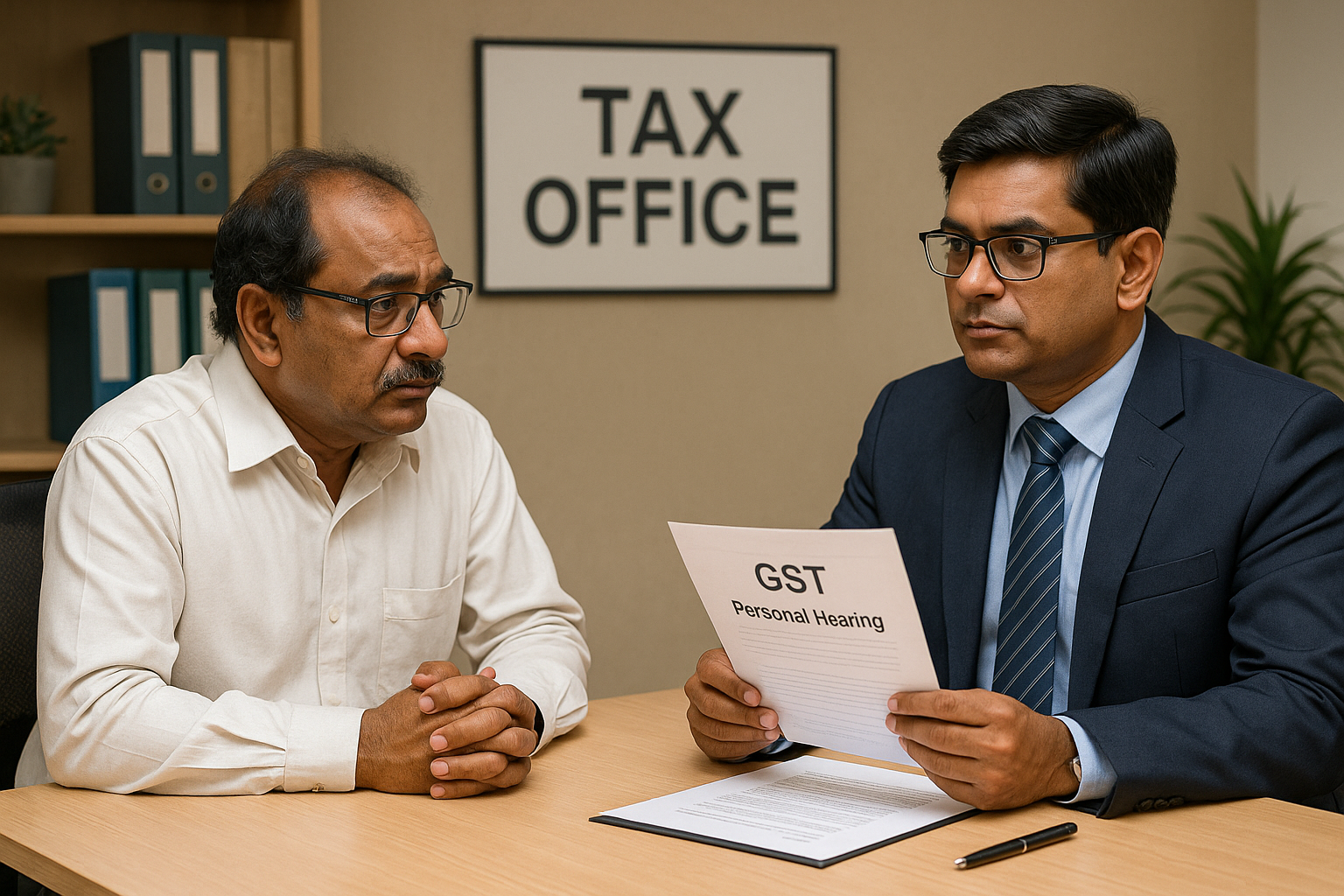
This judgment of the Patna High Court deals with an important issue relating to government tenders, especially the rights of a bidder who is declared the lowest (L1) bidder. The case arose from a dispute between a private firm (referred to here as the petitioner) and the Social Welfare Department of the Government of Bihar (referred to as the respondents).
The Social Welfare Department had issued a Notice Inviting Tender (NIT) on 6 March 2023 for selecting an agency to provide Annual Maintenance Contract (AMC) services for CCTV cameras installed in Child Care Institutions across Bihar, including a central server in Patna. The purpose was to strengthen child protection infrastructure under the institutional care system.
The petitioner participated in the tender process and was declared the L1 bidder after completion of technical and financial evaluation. Being declared L1 generally means that the bidder has quoted the lowest price among all eligible bidders, which often leads to an expectation of award of the contract.
However, despite the petitioner being declared L1, the department cancelled the tender through an office memo dated 25 April 2023. The cancellation order did not clearly mention the reasons for such cancellation. Feeling aggrieved, the petitioner approached the Patna High Court by filing a writ petition.
The petitioner argued that once it had fulfilled all eligibility conditions and was declared L1, the tender could not be cancelled arbitrarily. It was further argued that cancellation without assigning reasons violated principles of transparency and fairness under administrative law. The petitioner also contended that after cancellation of the first tender, the department issued a fresh tender only to deprive the petitioner of the work, which according to them was unfair and motivated.
During the pendency of the writ petition, the department issued a fresh tender on 22 May 2023. The petitioner did not participate in this tender. This second tender was also cancelled because only a single bidder participated. The department then indicated that it would proceed with issuing a fresh NIT again.
The respondents defended their decision by stating that the tender was cancelled due to the unusually high price quoted by the petitioner. They placed reliance on internal records of the Tender Committee dated 14 April 2023, which showed that reasons for cancellation had already been recorded before the office memo was issued. According to the respondents, the petitioner’s quoted amount for annual maintenance alone was extremely high when compared with the cost paid earlier for supply, installation, and three years’ maintenance of similar CCTV systems.
The Court examined the records and found that in 2019, the same petitioner had executed a contract involving supply, installation, and three years’ maintenance of CCTV cameras for approximately ₹2.49 crore. In contrast, the 2023 tender was only for annual maintenance, yet the quoted price exceeded ₹2.51 crore (excluding GST). The Court found this comparison significant.
The judges held that although the cancellation memo itself did not contain reasons, the Tender Committee had recorded valid reasons prior to cancellation. The Court observed that in such situations, courts are permitted to call for records and examine whether reasons existed in the file. Since reasons were indeed recorded earlier, the cancellation could not be termed arbitrary.
Ultimately, the High Court dismissed the writ petition and upheld the cancellation of the tender. However, it clarified that the dismissal would not prevent the petitioner from participating in future tenders.
Significance or Implication of the Judgment
This judgment reinforces an important principle in public procurement law: being declared the L1 bidder does not automatically create a vested right to be awarded the contract. Government authorities retain the power to cancel a tender if there are valid and reasonable grounds, particularly where public funds are involved.
For the general public, this decision underlines the importance of financial prudence in government contracts. It assures citizens that courts will support administrative decisions aimed at preventing excessive or unreasonable expenditure of public money.
For government departments, the ruling provides clarity that even if reasons are not explicitly mentioned in the final order, as long as reasons are recorded in official files prior to the decision, such actions can withstand judicial scrutiny.
Legal Issue(s) Decided and the Court’s Decision with Reasoning
- Whether cancellation of a tender after declaring an L1 bidder is arbitrary
- The Court held that cancellation is permissible if justified by valid reasons, such as unreasonable pricing.
- Whether reasons must be mentioned in the cancellation order itself
- The Court ruled that absence of reasons in the final memo is not fatal if reasons are recorded in official files prior to the decision.
- Whether courts can look into departmental records
- The Court affirmed that it can summon and examine records to verify whether reasons existed.
- Whether issuing a fresh tender after cancellation is illegal
- The Court found no illegality, especially when the earlier tender was cancelled for valid financial reasons.
Judgments Referred by Parties (with citations)
- Commissioner of Police, Bombay v. Gordhandas Bhanji, 1951 SCC 1088
- Mohinder Singh Gill and Another v. Chief Election Commissioner, (1978) 1 SCC 405
Judgments Relied Upon or Cited by Court (with citations)
- Governing Council of Kidwai Memorial Institute of Oncology v. Pandurang Godwalkar (Dr.), (1992) 4 SCC 719
Case Title
M/s INATSG (International Advance Technology and Service Group) v. State of Bihar & Ors.
Case Number
Civil Writ Jurisdiction Case No. 9448 of 2023
Coram and Names of Judges
- Hon’ble Mr. Justice P. B. Bajanthri
- Hon’ble Mr. Justice Arun Kumar Jha
Names of Advocates and Who They Appeared For
- Mr. Sanchay Srivastava – for the petitioner
- Mr. P. K. Verma, Senior Advocate (AAG-3), Mrs. Kumari Amrita (GP-3), Mr. Mithilesh Kumar Upadhyay – for the respondents
Link to Judgment
MTUjOTQ0OCMyMDIzIzEjTg==-gXYvxu1C8IA=
If you found this explanation helpful and wish to stay informed about how legal developments may affect your rights in Bihar, you may consider following Samvida Law Associates for more updates.







