
Simplified Explanation of the Judgment
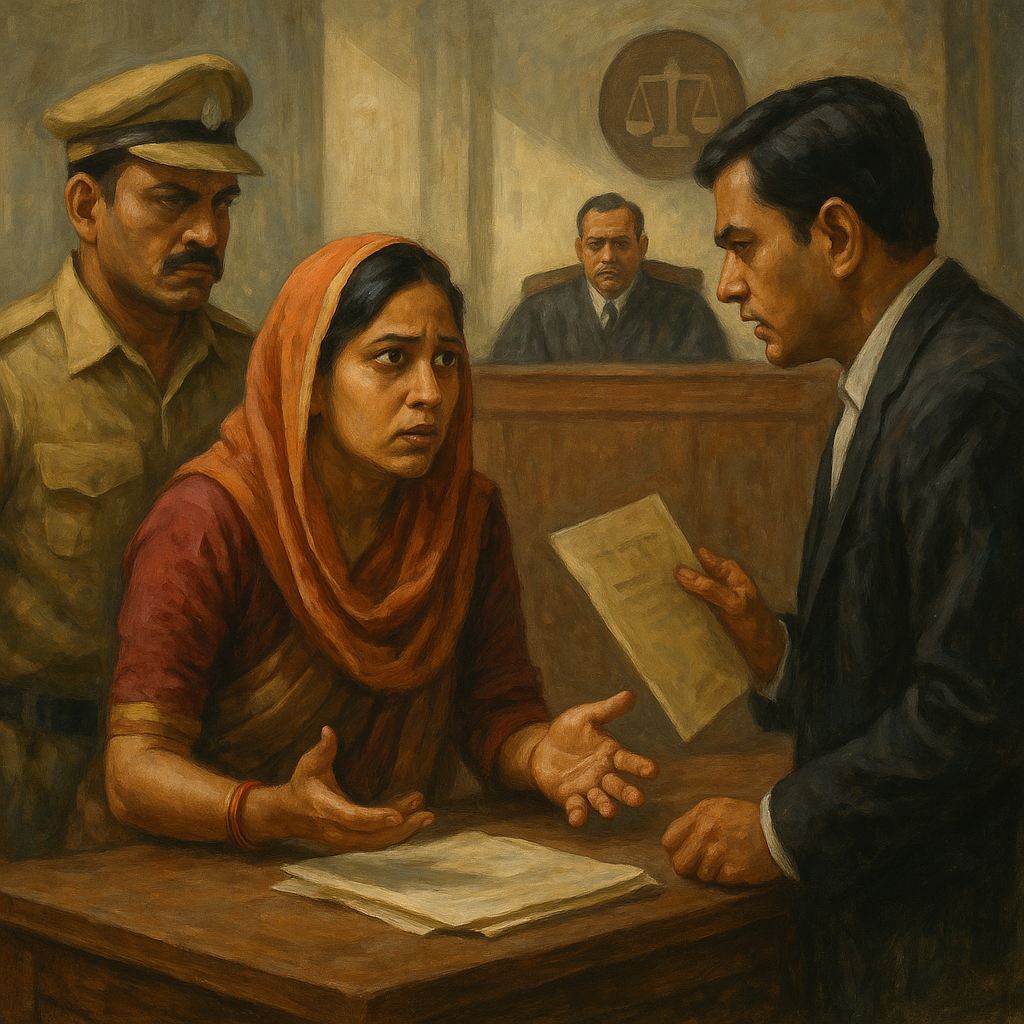
In a significant ruling, the Patna High Court has struck down a GST demand order worth over ₹88 lakh issued by the State Tax Department against a business entity. The case sheds light on procedural violations and record tampering during a tax inspection, raising serious questions about administrative accountability under the Bihar Goods and Services Tax (BGST) Act, 2017.
The petitioner, a business operating in Gopalganj district, was subjected to a search and inspection by the State Tax Department on January 18, 2024. Following this, a demand notice dated May 9, 2024, was issued, seeking recovery of CGST and BGST totaling ₹88,64,550.50 for the period from April 2023 to January 2024.
The main contentions raised by the petitioner were:
- The inspection and search were conducted without two independent witnesses, violating Section 67(10) of the BGST/CGST Act, 2017, and Section 100(4) of the Criminal Procedure Code.
- The seizure order prepared by the inspecting officer was allegedly tampered with after the fact, rendering it unreliable.
The Court focused heavily on these procedural lapses. It was found that the inspection report was signed by two individuals closely associated with the petitioner — one being the proprietor’s son and the other a staff member. These individuals cannot be treated as independent witnesses as required by law.
Moreover, the seizure order — which was central to the issuance of the GST demand — was found to have been tampered with. The Assistant Commissioner of State Tax who led the inspection, Ms. Kumari Anu Soni, admitted in open court that she had inserted the phrase “As Per Physical Verification” into the original seizure order after the case had already been filed. She also submitted an affidavit apologizing and citing her inexperience as a reason for the lapse.
Despite acknowledging that such tampering amounts to serious misconduct, the Court opted for leniency given that the officer was relatively new and had no prior experience in leading search and seizure operations. She was formally admonished but spared disciplinary action, with a clear warning of consequences for any future misconduct.
After evaluating all facts, the Court held that both the inspection and the seizure were flawed. The lack of independent witnesses made the search procedurally invalid, and the tampered seizure order rendered the entire demand notice untenable. As a result, the High Court set aside the ₹88 lakh GST demand order.
Significance or Implication of the Judgment
This judgment carries significant implications for both taxpayers and tax officials:
- For Businesses: It reaffirms that any inspection under GST laws must strictly comply with procedural requirements, including the presence of independent witnesses. Failure to do so renders the action void.
- For the Tax Department: It sends a strong message that tampering with official records — even if minor — will be scrutinized. Although leniency was shown in this case due to the officer’s inexperience, the warning issued sets a precedent.
- For Governance: The case highlights the importance of transparency and procedural integrity in tax administration. It may prompt stricter internal checks and training for officials involved in search and seizure operations.
Legal Issue(s) Decided and the Court’s Decision with Reasoning
- Was the GST inspection valid under Section 67 of BGST/CGST Act?
- No. The inspection lacked two independent witnesses, violating both the GST Act and CrPC.
- Was the seizure order reliable?
- No. The order was tampered with by the officer after it was originally prepared, rendering it invalid.
- Should the GST demand based on this inspection be upheld?
- No. Since the inspection and seizure were flawed, the resultant demand was set aside.
- Was any action taken against the erring officer?
- Not formally. The officer was admonished, and a warning was issued for future conduct.
Case Title
M/s Sri Sai Food Grain and Iron Stors vs. The State of Bihar & Others
Case Number
Civil Writ Jurisdiction Case No. 13674 of 2024
Coram and Names of Judges
Hon’ble Mr. Justice P. B. Bajanthri
Hon’ble Mr. Justice Alok Kumar Sinha
Names of Advocates and Who They Appeared For
Mr. Bijay Kumar Gupta — for the Petitioner
Mr. Government Advocate-11 — for the Respondents
Link to Judgment
1de2e6b6-2add-44c9-a899-9c484b29aa55.pdf
If you found this explanation helpful and wish to stay informed about how legal developments may affect your rights in Bihar, you may consider following Samvida Law Associates for more updates.







